Toward Darkness
It's pretty good in here.

Chasing Darkness (NOTE: mention of suicide)
I’ve always been drawn to darkness. At 13, I asked for Gilda Radner’s “It’s Always Something“—a book about cancer, about dying too young. Somehow Sweet Valley High wasn’t scratching the itch. While my peers were deeply invested in whether Jessica or Elizabeth would win the big cheerleading competition, I was over here like, ‘But what about the void?’
Heart of Darkness. Mary Shelley’s Frankenstein. The Strange Case of Dr.Jekyll and Mr. Hyde. These were and still are some of my favorites. I devour stories about people imprisoned, stranded, in extreme and suddenly life-altering circumstances. Trapped in ice pack in the Antarctic in 1915? Bring it. Manning the first submarine (which has already sunk three other times) on a torpedo mission with 7 of my besties by cranking something like a hand bike? I’m so in. I want to know everything, Simon Weisenthal. These are the places where humans are stripped down to something raw and true. These stories remind me of the tenuousness of every single thing.
This kind of darkness is where delusions fall apart and unvarnished reality emerges. This darkness leaves me curious and tender.
The Sucker’s Bet
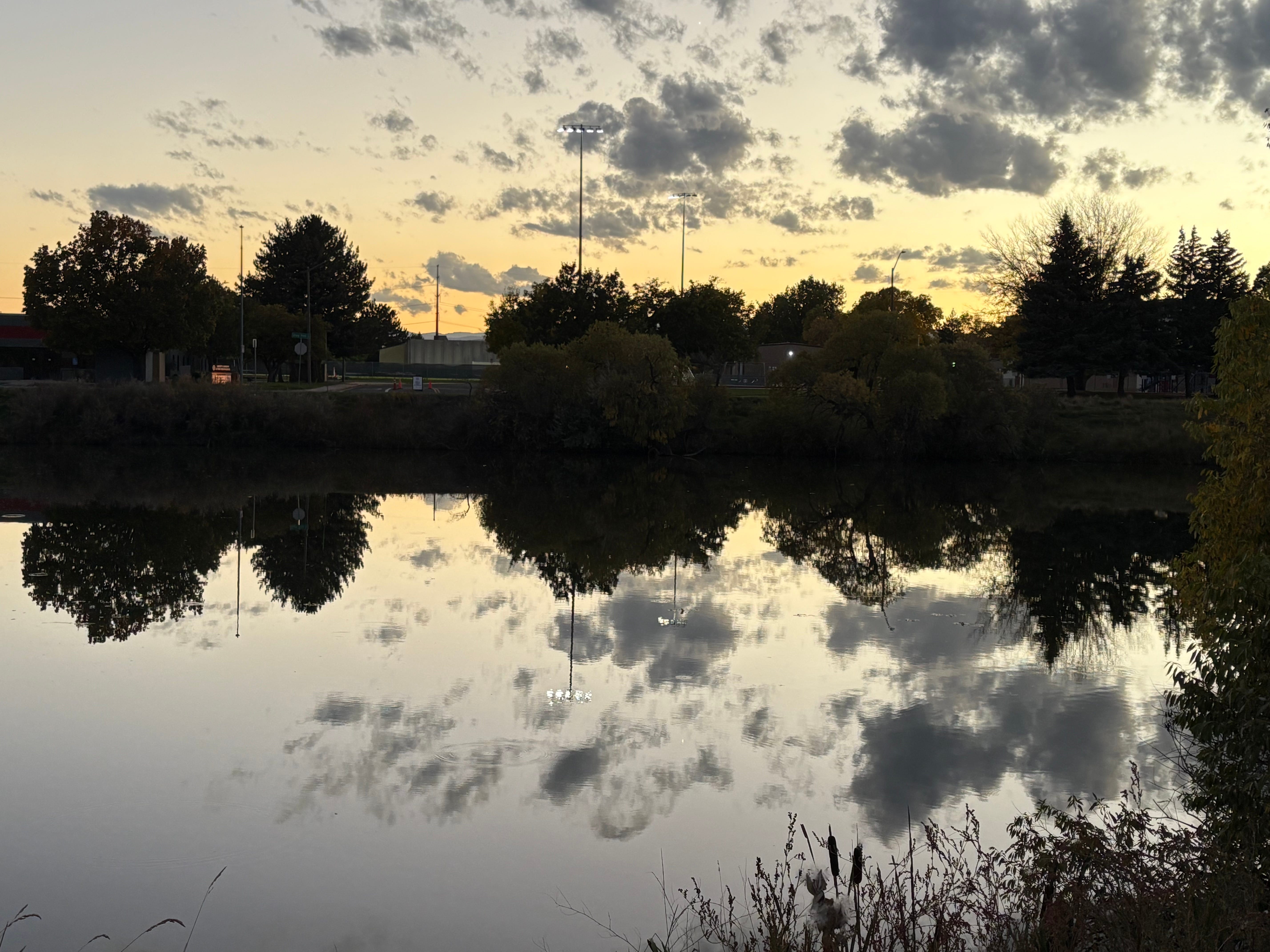
Most of us live on one side of this gauzy barrier we maintain between ourselves and certain truths. We tell ourselves that suffering happens to them. That violence and cruelty are perpetrated by people who are fundamentally possessed of some evil we could never access. We believe that we’re safe, that the life we’ve built will continue more or less as planned, even in spite of how untrue that presumption has been for so many others.
This veil is comfortable. It lets us plan for retirement, stress about trivial things, build elaborate futures in our minds. But then a diagnosis, a death that “shouldn’t have happened,” a personal rock bottom, a pandemic—and the veil lifts. Suddenly we see what was always there: the shimmering, terrifying, gorgeous truth that we are mortal, vulnerable, capable of both profound connection and profound harm. The truth that everything and everyone we hold dear is temporary.
Then, just as quickly, we revert to the cold, but familiar comfort of routine arguing about whose turn it is to unload the dishwasher, as if the dishwasher will always be there. As if we will. But some of us have seen behind this veil, and we don’t want to forget.
Why I Keep Looking
When I was 16, I found myself hospitalized for suicidal ideation while most of my high school colleagues were doing what high school kids do in a resort-adjacent South Carolina beach town. Man, why couldn’t I have just gotten high and passed out on Boone’s Farm Strawberry Hill?!
Depression had been with me for years, but in a “bootstraps” kinda family that didn’t do therapy, I just kept getting good grades, playing soccer and doing what I now know was overfunctioning. What I didn’t know then was that I was already living a kind of double life, already feeling the wrongness of a body and identity that didn’t fit, though I wouldn’t have words for being gay for many years and it would even longer before I would live into my expansive gender identity.
I remember scratching my name into the concrete ceiling above my bunk that first night at the treatment center. I wanted someone to know I’d been there. I wanted to believe I mattered despite knowing, in a cosmic and matter-of-fact sense, that I didn’t. Writing my name on the ceiling was a manifestation of the optimism that has supported me all my life.
Just a few days after being admitted, I was standing in line for breakfast. I had never had Life cereal before, but it had become something I looked forward to. I said to no one in particular, “Man, I love Life,” as I filled my bowl to the top. The girl behind me glibly offered, “You’ll get sick of it.” We both laughed. Nothing bonds you quite like gallows humor at 7 AM over a bowl of off-brand cereal in the psych ward.
But that time, those weeks, were my first real trip behind the veil. My desire to know the darkness and to find the place where acknowledging it gave life to its opposite strengthened.
I started to see a therapist.
This brilliant, kind man listened and nodded when I told him about how I was haunted by thoughts of the inescapability of death. He laughed with me at the immutability of it all. He told me I was ok. And I believed him. He was not afraid of the dark and he showed me that a person could be that way. I still felt a deep, yet amorphous sort of homesickness for a few years, but I knew that nothing about me was wrong, including my thoughts. That therapist was a fiercely tender human. I wanted to be like that.
In my work as a massage therapist, years later, I sat at the bedside of a dying stranger who talked about regret, pain, and his favorite harmonica song. This was the home for which I had longed. Behind the veil with a person who maybe was there for the first time, but who knew it was unlikely to shield them again. We were there together in that truth.
The Collapse of Assumptions
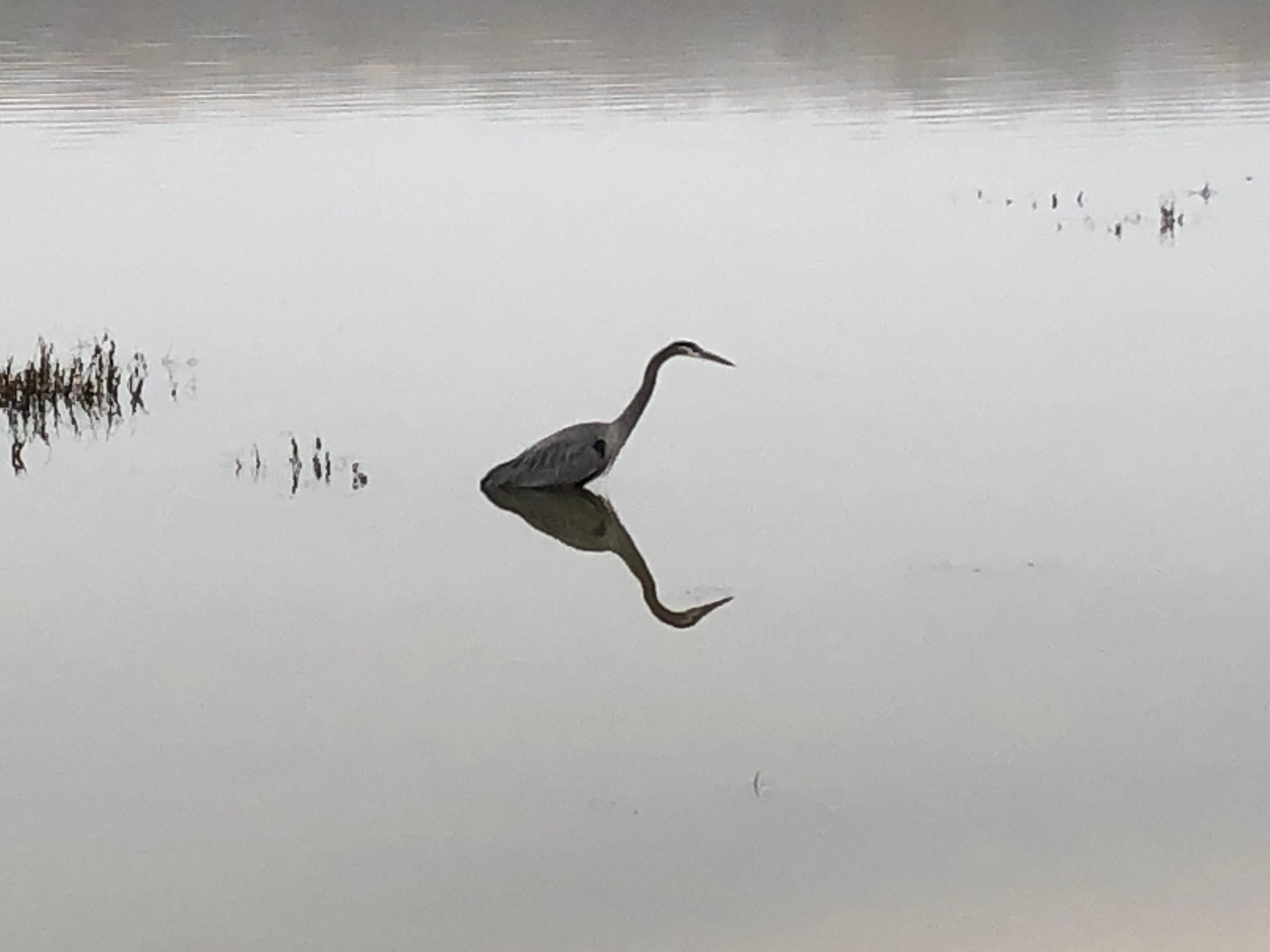
In the academics of grief there is a concept called the “assumptive world.” I’m paraphrasing, but it’s essentially a nod to the truth that people assume things about the world. We assume it’s a just place or that it’s benevolent or safe. We build our lives on these assumptions. These deeply held assumptions defy our more superficial sense of the world. In this moment on the planet earth, I suspect many of us would say there’s nothing fair or benevolent about the world. And yet, somewhere deeper than those reflexive, defensive postures, we do still believe that we’ll have tomorrow, that most people are fundamentally good and that means those people will not harm us. We believe that we are those fundamentally good people. We expect that our bodies will cooperate, our loved ones will stay, our plans will unfold as imagined.
These assumptions are necessary to function. They serve an important purpose in our ability to keep moving, to keep coming back to relationship and to a sense of the future. But they’re also a socially sanctioned, collective delusion. And it makes us angry when the delusion is exposed for what it is, because it feels personal and unlike what we believe we deserve.
Each year, since 2020, I have facilitated a 12-month online course called “A Year to Live.”. Three years ago, we started inviting people from a cancer support organization to register if they were interested. At first, the organization asked me to change the name of the course. “A Year to Live is too confronting,” they said.
I said no.
Too confronting? For people actively confronting their mortality on a daily basis? I had to admire the commitment to denial. Very on-brand for the cancer support world and, honestly, for our species.
The course is now full of people living with cancer and it’s gorgeous.
And here’s what I’ve noticed: The women with cancer show up with a capital “S.” They want to talk about all of it, and they do. They’re not pretending. They’re not centering others’ comfort. They’re behind the veil, and they willingly hold it up for the others to peek in. They seem to know that we all spend time in the “kingdom of the well” and “the kingdom of the sick” and that it’s a mere twist of fate that finds any of us in either at any given moment.
But the people without cancer? Some have shared with me that they don’t want to say much in class. “Well, I don’t have cancer. I have no right to be unhappy about anything.” We love the Suffering Olympics, don’t we? “Welp. Sorry, Janet, your existential dread doesn’t count unless chemo has taken your hair at least twice. Next!” Trivializing what’s on our own hearts and minds allows us to get real…later. When it’s “serious.” Luckily, there’s no suffering threshold you have to meet before you’re allowed to acknowledge that you, too, are going to die someday.
These non-cancer-having participants peek politely under the veil but they don’t want to put their feet in there and get it dirty. They say it’s about respect, about not wanting to burden people who have “real problems.” I think it’s also that they’re not quite ready to give up the delusion. If they see just how much they are like those women whose active disease makes it harder to pretend, then what? I say why wait to let that make you tender?
The Freedom of Darkness
I say I’m optimistic, but maybe curious is a better description. I don’t believe that “things will work out.” I just wonder and want to know what will happen, what could happen. But I always think there’s a reason to try, to ask, to understand, or at least I know I’d rather die showing up and trying.
At the end of Heart of Darkness, Kurtz dies a victim of his own delusion, crying ‘The horror!’ Frankenstein’s innocent, docile creation becomes a monster when he learns violence from the violent world and is destined to perpetuate that cycle and Henry Jekyll is utterly defeated when he can’t separate good from evil. In the end, he’s both and always was.
These stories are invitations to honesty and surrender that are especially tragic because their protagonists did not wake up until they were wasted. They declined the invitation to stop pretending humans are one thing or the other, that if we do this, then that will happen. That there is order to the world that will keep us safe.
The more I embrace an open-eyed awareness of my simultaneous capacity for cruelty, suffering, love and connection, the more tender I become: the more I love the world. The more vivid it all is. My sweet is sweeter, my bitter more tart.
I love the freedom of the darkness. That space on the other side of the veil keeps me honest. I’ve found something like home there and it’s pretty great. The people are more alive and more fun, and honestly? The snacks are better. Nobody’s pretending to like celery behind the veil.
Let’s not avoid the void